
When you think about your home's electrical system, the panel is the heart of it all. It controls the flow of electricity to every outlet, light, and appliance. If your panel is outdated or overloaded, it can cause frequent breaker trips, flickering lights, or even pose safety risks. Upgrading your home electrical panel is a smart move to ensure safety, efficiency, and the ability to handle modern electrical demands.
In this guide, I’ll walk you through everything you need to know about residential panel upgrade services. From why you might need an upgrade to what the process looks like, and how much it typically costs, I’ll keep things clear and practical. Let’s get started.
Why You Might Need Residential Panel Upgrade Services
Your electrical panel was designed to handle a certain amount of power. Over time, as you add more devices and appliances, your power needs grow. Here are some common reasons to consider upgrading your panel:
- Frequent breaker trips: If your breakers trip often, it means your panel is overloaded.
- Adding new appliances: High-demand appliances like electric ovens, HVAC systems, or electric vehicle chargers require more power.
- Home renovations: Adding rooms or converting spaces often means more electrical circuits.
- Safety concerns: Older panels, especially those with fuses or outdated breakers, can be fire hazards.
- Insurance requirements: Some insurance companies require updated panels for coverage.
Upgrading your panel ensures your home’s electrical system is safe, reliable, and ready for today’s technology.
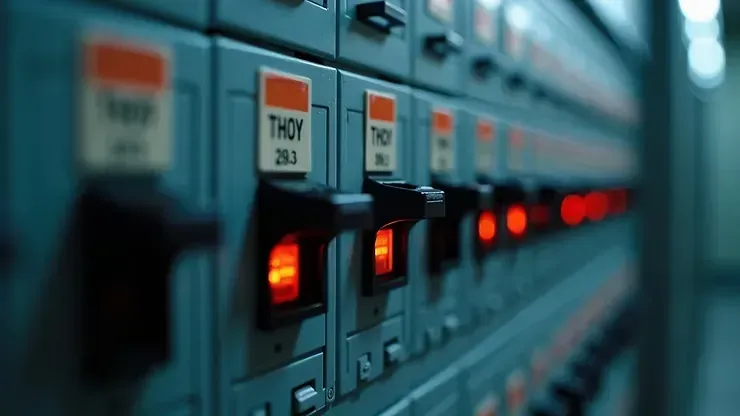
What Happens During a Residential Panel Upgrade?
When you schedule a residential panel upgrade, a licensed electrician will handle the entire process. Here’s what you can expect:
- Assessment: The electrician inspects your current panel, wiring, and overall electrical system.
- Planning: They determine the right size and type of panel for your needs, usually upgrading from 100 amps to 200 amps or more.
- Permits: The electrician obtains necessary permits to ensure the work meets local codes.
- Power shutoff: For safety, power to your home will be temporarily turned off during the upgrade.
- Panel replacement: The old panel is removed, and the new panel is installed. Wiring is updated or replaced as needed.
- Testing: The system is tested to ensure everything works correctly and safely.
- Inspection: A local inspector may visit to approve the work.
The whole process usually takes a few hours to a day, depending on the complexity.
How much does it cost to upgrade electrical panel from 100 to 200?
Upgrading your electrical panel from 100 amps to 200 amps is a common choice for homeowners who want to add capacity. The cost varies based on several factors:
- Panel brand and type: Higher quality panels cost more.
- Labor: Electricians charge based on time and complexity.
- Permits and inspections: These fees vary by location.
- Additional wiring or upgrades: If your wiring is old or damaged, it may need replacement.
On average, you can expect to pay between $1,500 and $3,000 for a full upgrade. This includes the panel, labor, permits, and inspection fees. Keep in mind that prices can be higher if your home requires extensive rewiring or if you live in an area with higher labor costs.
For a detailed estimate tailored to your home, it’s best to consult a licensed electrician who offers transparent pricing.
Tips for Choosing the Right Panel Upgrade Service
Choosing the right professional for your panel upgrade is crucial. Here are some tips to help you make the best choice:
- Check credentials: Ensure the electrician is licensed and insured.
- Ask for references: A reputable contractor will have satisfied customers.
- Get multiple quotes: Compare prices and services to find the best value.
- Look for transparency: The contractor should explain costs clearly, including the home electrical panel upgrade cost.
- Verify experience: Choose someone familiar with local codes and regulations.
- Customer service: Friendly, clear communication is a good sign of professionalism.
Taking these steps will help you avoid surprises and ensure a smooth upgrade.
Maintaining Your New Electrical Panel
Once your panel is upgraded, proper maintenance will keep it running safely and efficiently. Here’s what you can do:
- Regular inspections: Have a professional check your panel every few years.
- Keep it dry and clean: Moisture and dust can cause problems.
- Don’t overload circuits: Spread out your electrical use to avoid tripping breakers.
- Label circuits: Clear labels help you quickly identify which breaker controls what.
- Upgrade as needed: If you add major appliances or systems, consider further upgrades.
A well-maintained panel protects your home and gives you peace of mind.
Planning Your Upgrade with Confidence
Upgrading your home electrical panel is a big step, but it’s one that pays off in safety and convenience. By understanding the process, costs, and how to choose the right service, you can make informed decisions that fit your home’s needs.
If you’re ready to move forward, start by scheduling an assessment with a trusted electrician. They’ll guide you through the details and help you plan a smooth upgrade.
Remember, a modern electrical panel is the foundation of a safe and efficient home. Taking care of it today means fewer headaches tomorrow.