
If your circuit breaker keeps tripping, it can be frustrating and worrying. You might wonder if there’s a serious electrical problem or if it’s just a minor issue you can fix yourself. Understanding why this happens and how to address it can save you time, money, and stress. In this post, I’ll walk you through common reasons for breaker trips and practical solutions you can try safely.
Common Reasons Your Circuit Breaker Trips
Circuit breakers are designed to protect your home or business from electrical hazards. When they trip, it means they detected a problem and shut off power to prevent damage or fire. Here are some typical causes:
- Overloaded Circuit: This happens when too many devices or appliances draw power from the same circuit. For example, running a space heater, microwave, and TV all on one circuit can cause it to trip.
- Short Circuit: A short circuit occurs when a hot wire touches a neutral or ground wire. This creates a surge of electricity that trips the breaker immediately.
- Ground Fault: Similar to a short circuit, a ground fault happens when electricity flows outside its intended path, often through water or a person, which is dangerous.
- Faulty Appliances: Sometimes, the problem isn’t the wiring but an appliance that’s malfunctioning and causing the breaker to trip.
- Old or Worn Breaker: Circuit breakers don’t last forever. Over time, they can wear out and trip more easily, even if there’s no real problem.
Understanding these causes helps you figure out the best next steps to take.
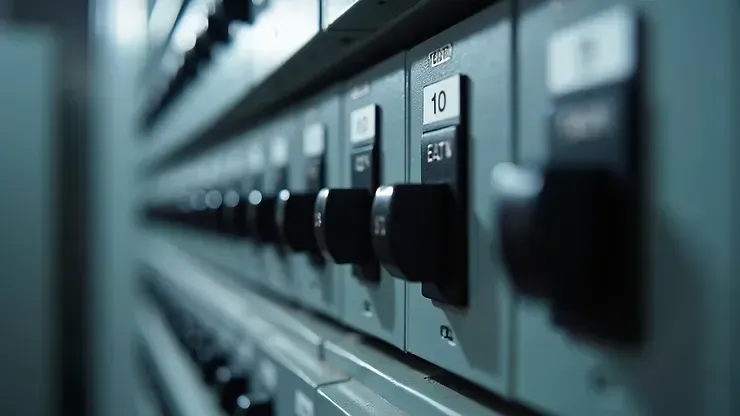
Circuit Breaker Troubleshooting Tips
When your breaker trips, don’t panic. You can follow some straightforward steps to troubleshoot the issue safely:
- Reset the Breaker: First, turn the breaker fully off and then back on. Sometimes, this simple step clears a temporary overload.
- Unplug Devices: Unplug all devices on the affected circuit. Then, plug them back in one at a time to see if a specific appliance causes the trip.
- Avoid Overloading: Spread out high-power devices across different circuits. For example, don’t run a vacuum and a hairdryer on the same circuit simultaneously.
- Inspect for Damage: Look for signs of damaged wiring, outlets, or appliances. Burn marks, buzzing sounds, or a burning smell are red flags.
- Use a Different Outlet: If an outlet keeps tripping the breaker, avoid using it until a professional checks it.
- Check for Moisture: Water near outlets or electrical panels can cause ground faults. Keep these areas dry and safe.
If these tips don’t solve the problem, it’s time to call a licensed electrician. Electrical issues can be complex and dangerous if handled incorrectly.
How do I find out what's tripping my breaker?
Finding the exact cause of a breaker trip can be tricky, but here’s a methodical approach you can take:
- Label Your Circuits: If your breaker panel isn’t labeled, take time to identify which outlets and appliances each breaker controls. This helps isolate the problem.
- Test Appliances: Plug appliances into a different circuit to see if they cause trips elsewhere. Faulty appliances often cause repeated trips.
- Use a Circuit Tester: A simple circuit tester or multimeter can help check outlets and wiring for faults.
- Look for Patterns: Notice when the breaker trips. Is it when you use a particular device or at a certain time? Patterns can point to the cause.
- Check for External Factors: Sometimes, weather or pests can affect wiring. For example, rodents chewing wires can cause shorts.
If you’re unsure or uncomfortable with these steps, don’t hesitate to get professional help. Safety is the priority.
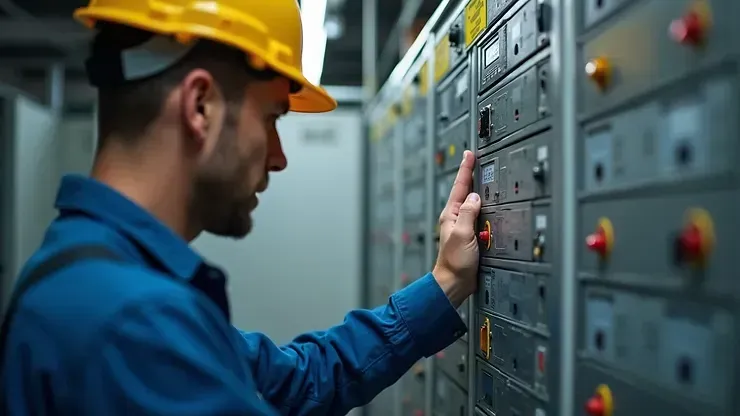
When to Call a Professional Electrician
Some breaker trips are easy to fix, but others need expert attention. You should call a professional if:
- The breaker trips immediately after resetting.
- You notice burning smells, sparks, or smoke near outlets or the panel.
- Breakers trip frequently without clear cause.
- You suspect water damage or corrosion in your electrical system.
- Your home has old wiring or outdated electrical panels.
- You want to upgrade your electrical system to handle more power safely.
A licensed electrician can perform a thorough inspection, identify hidden problems, and ensure your system meets safety codes. This protects your property and everyone inside.
Preventing Future Breaker Trips
Once you’ve fixed the immediate problem, take steps to prevent future trips:
- Distribute Electrical Load: Avoid plugging too many devices into one circuit. Use multiple circuits for high-power appliances.
- Upgrade Your Panel: If your electrical panel is old or undersized, consider upgrading to handle modern power needs.
- Regular Maintenance: Schedule periodic electrical inspections to catch issues early.
- Use Surge Protectors: Protect sensitive electronics from power surges that can cause breaker trips.
- Educate Household Members: Make sure everyone knows not to overload outlets or use damaged appliances.
By staying proactive, you can keep your electrical system safe and reliable.
If you’ve ever asked yourself *why does my circuit breaker keep tripping*, now you have a clearer understanding of the common causes and what to do next. Remember, safety comes first. When in doubt, reach out to a trusted electrician who knows the local codes and conditions in Southern New Hampshire. Taking care of your electrical system today means peace of mind tomorrow.