
Circuits That Handle Equipment Without Overloading
Dedicated Circuits & Power Solutions in Manchester for appliances and equipment that trip breakers when sharing circuits with other loads
Refrigerators, HVAC systems, workshop tools, and home office equipment operate reliably only when powered by circuits that serve no other loads, eliminating voltage sags from shared circuits and preventing nuisance trips that occur when multiple devices draw current simultaneously. Dedicated circuits run from the main panel directly to a single appliance or equipment location, sized specifically for that load with wire gauge and breaker amperage matched to the equipment's requirements. Ideal Electrical Services installs dedicated circuits across Manchester and Southern New Hampshire, adding capacity for appliances that currently share overloaded circuits, providing isolated power for sensitive electronics, and routing new circuits for workshops, home offices, and equipment installations that demand consistent voltage and adequate amperage to operate at rated specifications.
Dedicated circuit installation involves running cable from an available breaker space in the panel to the appliance location, installing a receptacle or junction box appropriate for the equipment being served, and testing voltage and polarity to verify proper connection before the appliance is energized. Surge protection systems add another layer, intercepting voltage spikes from lightning strikes or utility switching events before they reach connected equipment.
Schedule an electrical evaluation to identify appliances and equipment that require isolated circuits for proper operation.
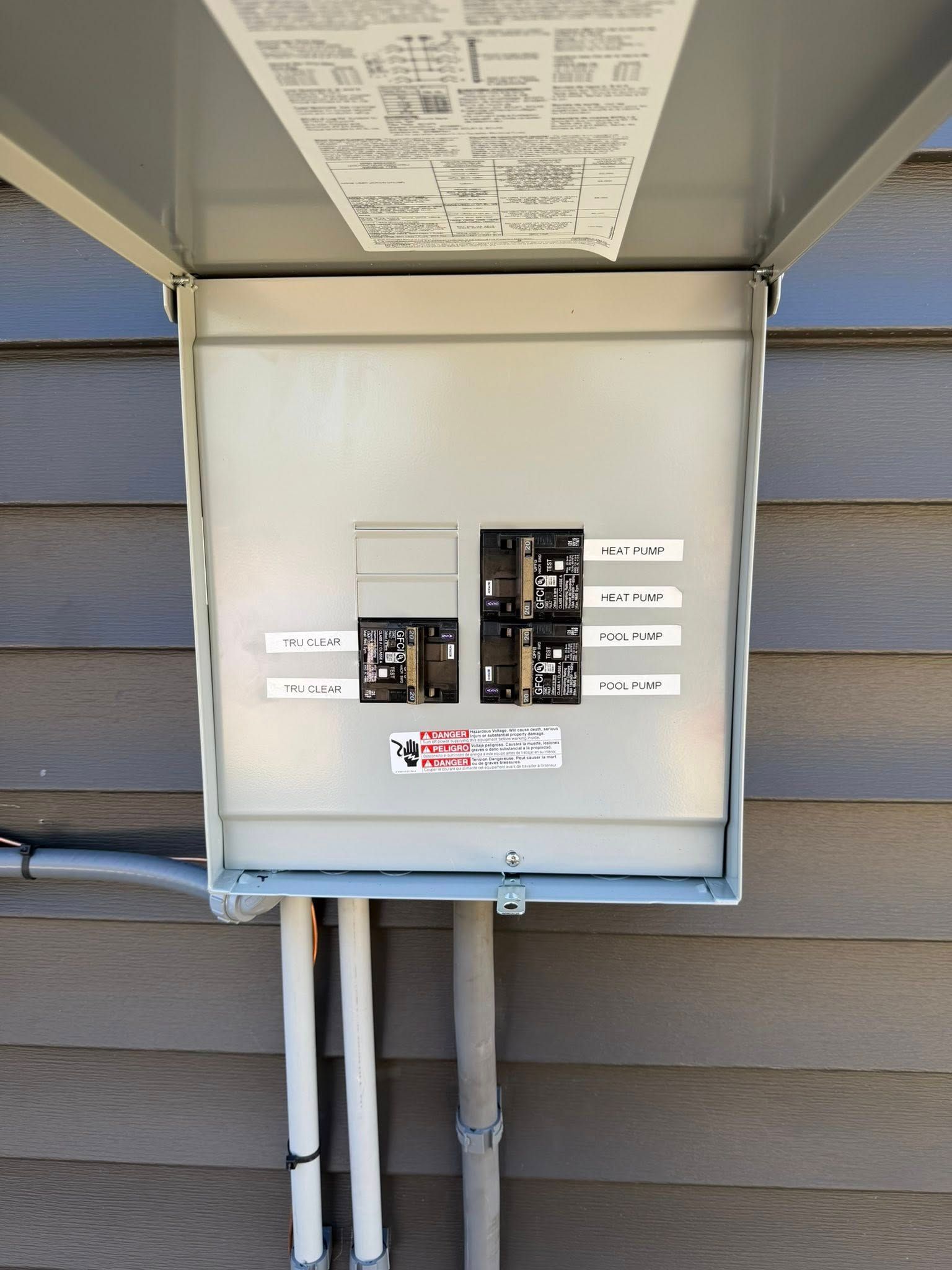
What Dedicated Circuits Actually Accomplish
Appliance circuits eliminate the voltage drop that occurs when multiple loads share a circuit, ensuring that refrigerators maintain consistent compressor operation, electric ranges deliver full heating capacity to all burners simultaneously, and washing machines complete cycles without breakers tripping mid-operation. HVAC systems receive dedicated circuits because furnace blowers and air conditioner compressors draw high starting currents that would overload general-purpose circuits, and the circuits are sized with enough margin that voltage remains stable even during startup surge.
After dedicated circuits are installed, appliances start reliably without dimming lights or causing voltage fluctuations elsewhere in the home, breakers sized for specific loads remain set during normal operation, and equipment reaches full operating capacity without performance degradation caused by insufficient voltage. Home office circuits power computers, monitors, printers, and networking equipment without interference from kitchen appliances or HVAC systems cycling on, and workshop circuits handle table saws, compressors, and other motor-driven tools without tripping when starting torque demands exceed what shared circuits can deliver.
Surge protection systems install at the main panel and provide whole-home protection by clamping voltage spikes before they propagate through branch circuits, or they install at individual receptacles to protect specific equipment. Whole-home surge protectors stop surges from utility lines or lightning strikes traveling through electrical service, while point-of-use suppressors add protection for sensitive electronics that are vulnerable to smaller voltage transients generated by equipment operating within the home.
Questions Before Starting Your Project
Decisions about dedicated circuits depend on what equipment you're installing, how your current panel is loaded, and whether existing circuits have capacity to share loads safely.
What equipment requires dedicated circuits?
Refrigerators, freezers, dishwashers, garbage disposals, microwave ovens, electric ranges, HVAC systems, water heaters, well pumps, sump pumps, and any motor-driven equipment above one horsepower require dedicated circuits under the National Electrical Code. Home offices benefit from dedicated circuits even when not strictly required, and workshop equipment operating on 240 volts always needs isolated circuits sized for locked-rotor current that motors draw during startup.
How are circuits sized for specific equipment?
Circuit sizing starts with the equipment nameplate, which lists voltage, amperage, and whether the load is continuous or intermittent. Wire gauge and breaker size are then selected based on the continuous current rating multiplied by 125% for loads that run three hours or longer, which ensures that wire doesn't heat excessively and breakers don't trip from thermal accumulation during extended operation. Manchester installations also account for voltage drop over distance, which requires larger wire on long circuit runs to maintain proper voltage at the equipment.
When should surge protection be added to dedicated circuits?
Surge protection makes sense for any equipment with electronic controls, computer components, or motors with variable-frequency drives, all of which are vulnerable to damage from voltage spikes. Whole-home surge protectors install at the main panel and protect all circuits simultaneously, while dedicated suppressors at individual receptacles provide additional protection for high-value equipment like computers, audio systems, and appliances with circuit boards that cost hundreds of dollars to replace.
What's involved in adding circuits to an existing panel?
Adding circuits requires available breaker spaces in the panel, adequate amperage remaining after subtracting existing loads from the service rating, and physical access to route cable from the panel to the appliance location. Panels without available spaces can sometimes accommodate tandem breakers that fit two circuits into one space, but older panels may require replacement if they're fully loaded or if the service rating is insufficient for additional circuits.
How do workshop circuits differ from standard receptacle circuits?
Workshop circuits are typically 20-amp rather than 15-amp to handle tool starting currents, use 12-gauge wire instead of 14-gauge, and often include 240-volt receptacles for larger equipment like table saws and air compressors. Receptacles are spaced closer together than code minimum to reduce extension cord use, and circuits are often split so that multiple tools can operate simultaneously without overloading a single breaker.
Ideal Electrical Services installs dedicated circuits and power solutions for residential and commercial clients across Manchester and Southern New Hampshire, including appliance circuits, HVAC electrical connections, workshop power, and surge protection systems that prevent equipment damage from voltage transients. Contact us to review your equipment requirements and develop a circuit plan that delivers adequate capacity and protection for your specific installations.