
Essential Winter Electrical Tips for Homeowners in New Hampshire to Stay Safe and Secure
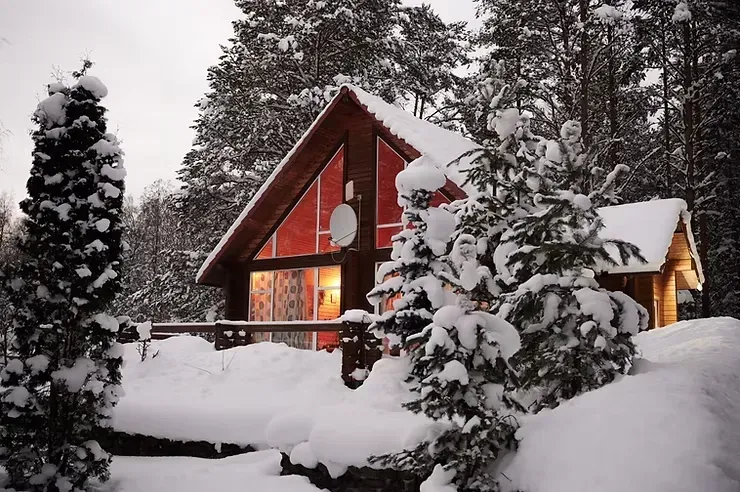
Winter in New Hampshire brings beautiful snowy landscapes but also unique challenges for homeowners, especially when it comes to electrical safety and efficiency. Cold weather increases the demand on your home’s electrical system, and harsh conditions can expose vulnerabilities that might otherwise go unnoticed. Knowing how to prepare your home’s electrical setup for winter can prevent hazards, reduce energy costs, and keep your family safe and comfortable throughout the season.
This guide offers practical tips and insights tailored for New Hampshire homeowners, helping you understand what to watch for and how to maintain your electrical system during the cold months. Whether you’re tackling simple maintenance or considering professional electrical services, these tips will keep your home secure and your electricity flowing smoothly.
Understand Your Home’s Electrical Load in Winter
Winter means more electrical devices running for longer hours. Space heaters, electric blankets, holiday lights, and increased use of kitchen appliances all add to your home’s electrical load. Overloading circuits can cause breakers to trip or, worse, create fire hazards.
- Check your circuit breakers to ensure they are functioning properly.
- Avoid plugging multiple high-wattage devices into the same outlet or power strip.
- Consider upgrading your electrical panel if your home is older or if you’ve added new appliances recently.
New Hampshire electricians can assess your system’s capacity and recommend upgrades or adjustments to handle winter demands safely.
Inspect and Maintain Outdoor Electrical Components
Snow, ice, and freezing rain can damage outdoor electrical equipment. This includes outlets, wiring, and lighting fixtures.
- Inspect outdoor outlets for damage or moisture. Use weatherproof covers to protect them.
- Clear snow and ice away from electrical meters and panels to prevent moisture buildup.
- Check exterior lighting to ensure it’s working properly for safety during long winter nights.
If you notice any exposed wiring or signs of wear, contact a licensed electrician to repair or replace components before they cause problems.
Use Space Heaters Safely and Efficiently
Space heaters are common in New England winters but can be risky if not used correctly.
- Choose heaters with built-in safety features like tip-over shutoff and overheat protection.
- Keep heaters at least three feet away from flammable materials such as curtains or furniture.
- Plug heaters directly into wall outlets, not extension cords or power strips.
- Never leave space heaters unattended or running while you sleep.
Proper use of space heaters reduces the risk of electrical fires and helps you stay warm without overloading circuits.
Prevent Ice Dams and Electrical Damage on Roofs
Ice dams form when snow melts on your roof and refreezes at the edges, potentially causing water to seep into your home and damage electrical wiring in attics or walls.
- Ensure your attic is properly insulated and ventilated to prevent uneven roof temperatures.
- Use roof heating cables installed by professional electricians to safely melt ice dams.
- Regularly remove heavy snow buildup from your roof with a roof rake or hire professionals.
Taking these steps protects your home’s electrical system from moisture damage and costly repairs.
Schedule a Professional Electrical Inspection Before Winter
A thorough inspection by New Hampshire electricians can identify hidden issues that might cause outages or hazards during winter storms.
- Inspect wiring for signs of wear, corrosion, or rodent damage.
- Test smoke and carbon monoxide detectors to ensure they are operational.
- Verify grounding and bonding systems are intact for safety.
- Check for outdated or faulty breakers and replace if necessary.
Scheduling this inspection before the coldest months arrive gives you peace of mind and helps avoid emergency repairs.
Use Energy-Efficient Lighting and Appliances
Winter means longer nights and more electricity used for lighting. Switching to energy-efficient options can lower your bills and reduce strain on your electrical system.
- Replace incandescent bulbs with LED bulbs that use less energy and last longer.
- Use timers or smart plugs to control holiday lights and avoid leaving them on unnecessarily.
- Upgrade to Energy Star-rated appliances for heating, cooking, and laundry.
These small changes add up to significant savings and a safer electrical environment.
Keep Emergency Supplies Ready
Winter storms can cause power outages, so it’s wise to prepare in advance.
- Have flashlights, batteries, and portable phone chargers accessible.
- Consider a backup generator installed by a qualified electrician to power essential circuits.
- Keep a list of emergency contacts, including your local electrical services provider.
Being prepared helps you stay safe and comfortable during unexpected outages.
Avoid DIY Electrical Repairs in Winter
While some homeowners may feel confident handling minor electrical tasks, winter conditions make DIY repairs riskier.
- Moisture and cold can increase the chance of electrical shock.
- Improper repairs can lead to fires or damage to your home’s system.
- New Hampshire electricians have the training and tools to perform safe, code-compliant work.
When in doubt, call a professional to handle electrical issues promptly and safely.